Civic Duty to Be Engaged in Your Community
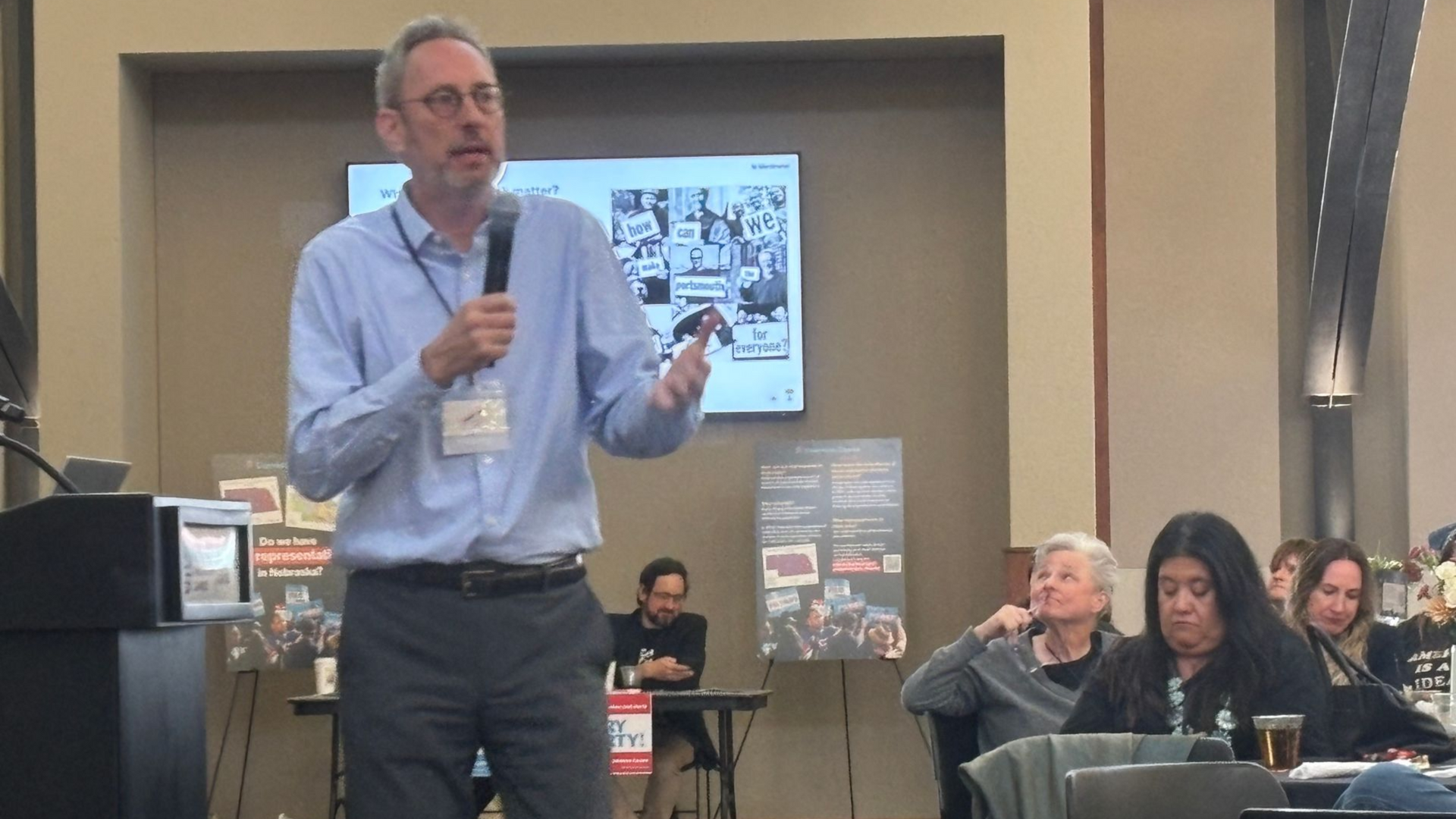
Recently, I attended Civic Nebraska’s conference on the State of Civic Life and came away with
more ideas than I could possibly suggest or carry out…but I’ll try.
Civics is a topic that I have covered before because it is something I am passionate about and
because it really does affect each and every one’s lives, whether they realize it or not.
Some get politics confused with civics. They are not the same. Politics is the actual governing of
a country or groups. Civics are the rights, duties, and responsibilities of citizens within a
society, which means that everyone has a civic duty to be involved.
And there are so many ways to be involved, starting with voting and being informed about the
issues.
Thank you to everyone who voted in the recent primary election in Nebraska. Your vote does
matter, as evidenced in the tie in one Red Willow commissioner’s race. By the time you read
this, the recount will be done. While the winner still may be determined by chance with a coin
toss if the recount stays a tie, voters still had a say in the matter by getting it to this point. (Plus,
the loser of the coin toss can still vie for the spot as a write-in candidate at the general election
because the primary was a tied vote.)
A special shout-out to all the poll workers, who worked the primary election. While we do get
paid, all of those workers sitting at the polling station gave up their entire day. They showed up
at 7 a.m. and didn’t leave until after 8 p.m. if the numbers added up correctly and 9 p.m. if they
were even one number off trying to balance the ballots. It’s a long day but each one knows how
important voting is to a society.
Outside of elections, there are still so many ways to be civically involved in your community,
some needing authority on a board or committee but often just stepping up to be engaged in
your area.
Listening to a speaker out of Blair, north of Omaha, he was able to accomplish things from
installing benches to planting trees by doing three steps:
1. Observe: Look around your community, listen to what others are saying, hear what they
want, literally walk around your town and notice what needs to be done or what could be
improved
2. Think: Figure out what is the smallest action I can take to get this started? What can I do
to make this happen? What steps are next?
3. Act: Just thinking about something doesn’t make it a reality. All of us have ideas floating
around in our heads but if that is where the ideas stay, then they won’t ever happen.
Instead, we need to take action. This may take a variety of forms, from joining a group
that picks up trash to getting something on the city council’s agenda.
Even if you don’t want to be in the lead on an idea or project, you still play a role - show up.
Just by showing up at someone else’s project, you show that you care. You show that another
person’s project matters. You show to officials and to the community that other people care
about this same idea.
Like I said, I have a lot of ideas from “bike buses” (where kids are encouraged to bike to school
in the safety of a group setting) to “Touch the Budget”, where the city brings out all the big
budget items like fire engines and street cleaners so people can see and hear about where our
tax dollars go.
There are so many more ideas and ways to be involved in your community. Ultimately,
everyone has differing ideas on what should happen in their community to make it better for
themselves, better for their children, better for their friends and neighbors. And that is our civic
duty because we are all responsible for making the community we want to live in and that we
want to call home.
At McCook Community Foundation Fund, we want to hear those ideas. We want to help make
those connections to make those ideas happen. Because in the end, we just want to make
McCook an even better place to call home - for everyone.