Complacency Can Lead to Even Higher Costs
“What does it cost?” – This simple, direct question is one many of us ask frequently, whether shopping at the grocery store or asking questions of our local or state government when projects are proposed.
Yes, it seems like a straightforward question but there is a lot more to “cost” than the initial price.
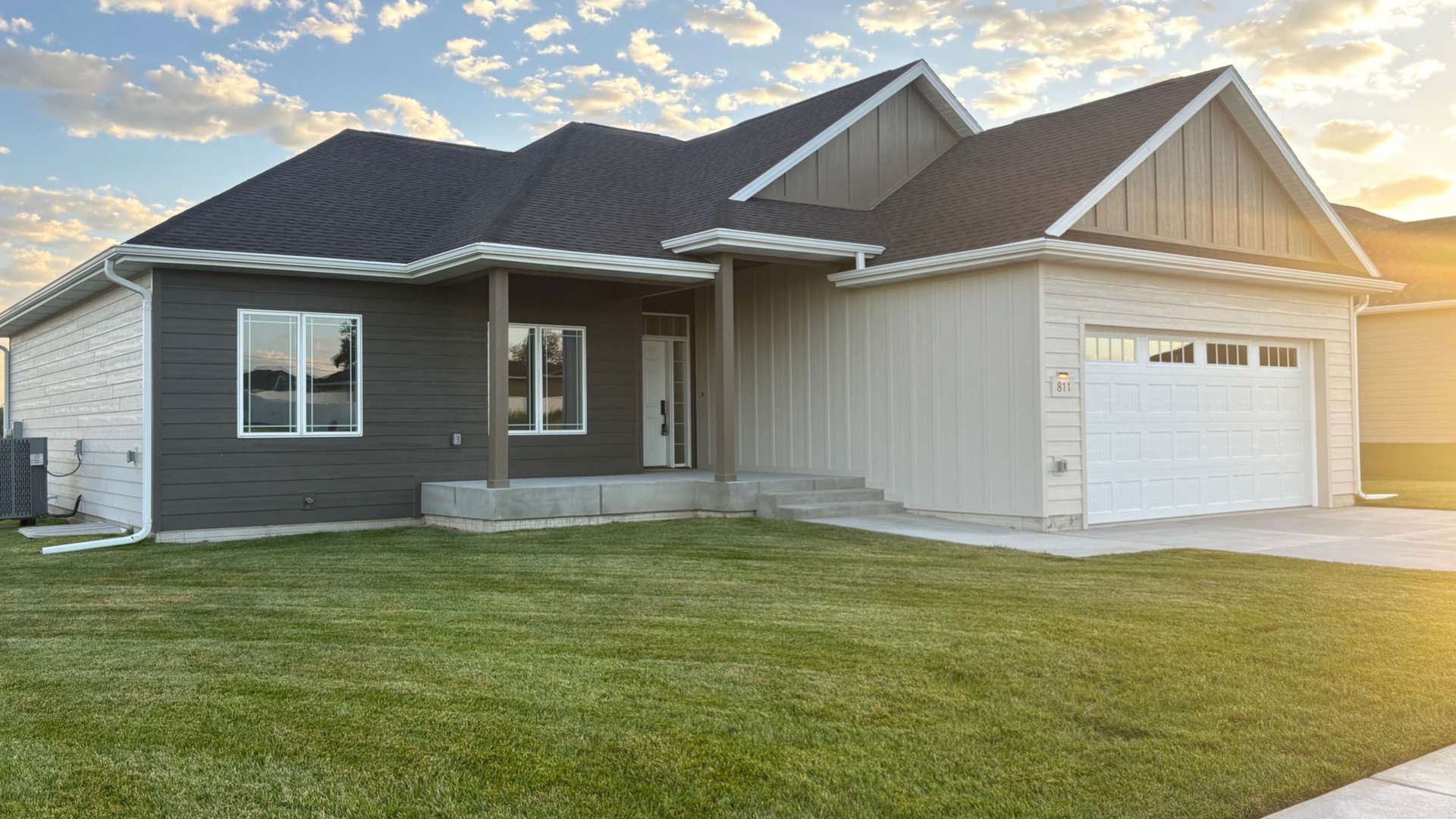
Lately, I have been thinking about “cost” from a different angle though. Over the past nine months, I have been part of a group made up of individuals from a range of backgrounds — housing authorities, economic development professionals, real estate experts, and concerned citizens from communities across rural Nebraska. Together, we have been methodically investigating what our complacency costs us when we fail to address the growing number of vacant homes present in many of our communities.
Vacant homes are more than aging structures with peeling paint or overgrown yards. They are former family homes, once filled with life, now sitting empty as a visible reminder of population changes, workforce challenges, and limited housing options. Each vacant home represents monetary losses such as tax base and utility base rates but more importantly reduced neighborhood vitality and one less opportunity to welcome a new family, teacher, healthcare worker, or business owner into our community.
But the root of this issue is not solely funding or policy - it is participation.
Working with this group about the costs of complacency associated with housing, it sparked the thought of general complacency in our communities. In rural Nebraska, volunteers have been the catalyst for much of progress. A great example of this progress is the new inclusive playground at Kelley Park. Shout out to the group of community members who worked tirelessly to bring their dream to life for our children and future children of McCook.
Our community has been built by people who served on boards, coached our children, led organizations, and stepped forward when something needed to be done. When fewer people volunteer today, the cost is felt quickly and deeply.
“Someone else will handle it,” or “That’s just how things are now.” In our community, those assumptions are costly. When residents do not engage, the same small group of volunteers is asked to shoulder more responsibility. Burnout follows. Momentum slows. Eventually, good ideas never make it off the ground, not because they weren’t needed, but because there weren’t enough hands willing to help carry them forward.
The cost of complacency shows up in tangible ways: limited housing options for young families, difficulty attracting and retaining workforce, and fewer community-led solutions. It also can show up less visibly in weakened leadership pipelines and a growing disconnect between residents and the future of their town.
Volunteering does not require endless time or specialized knowledge. It requires a willingness to care about where we live and who comes next. Serving on a local board, participating in a committee, or simply engaging in community conversations are all ways to reduce the long-term costs McCook and other surrounding communities face when participation declines.
The future of McCook will not be shaped by chance or by someone from the outside. As we enter the new year, let’s take our community’s future into our own hands, and let’s each choose to be a part of the solutions McCook needs. If McCook is to remain strong, resilient, and welcoming, we might want to look at the definition of cost differently. Sometimes the most expensive decision we can make for our community is choosing not to take action.
***
Amanda Engell is the housing director for the McCook Economic Development Corp. and a member of the McCook Community Foundation Fund, but is working to make McCook an even better place to call home for her friends, neighbors and most importantly, her two little boys.