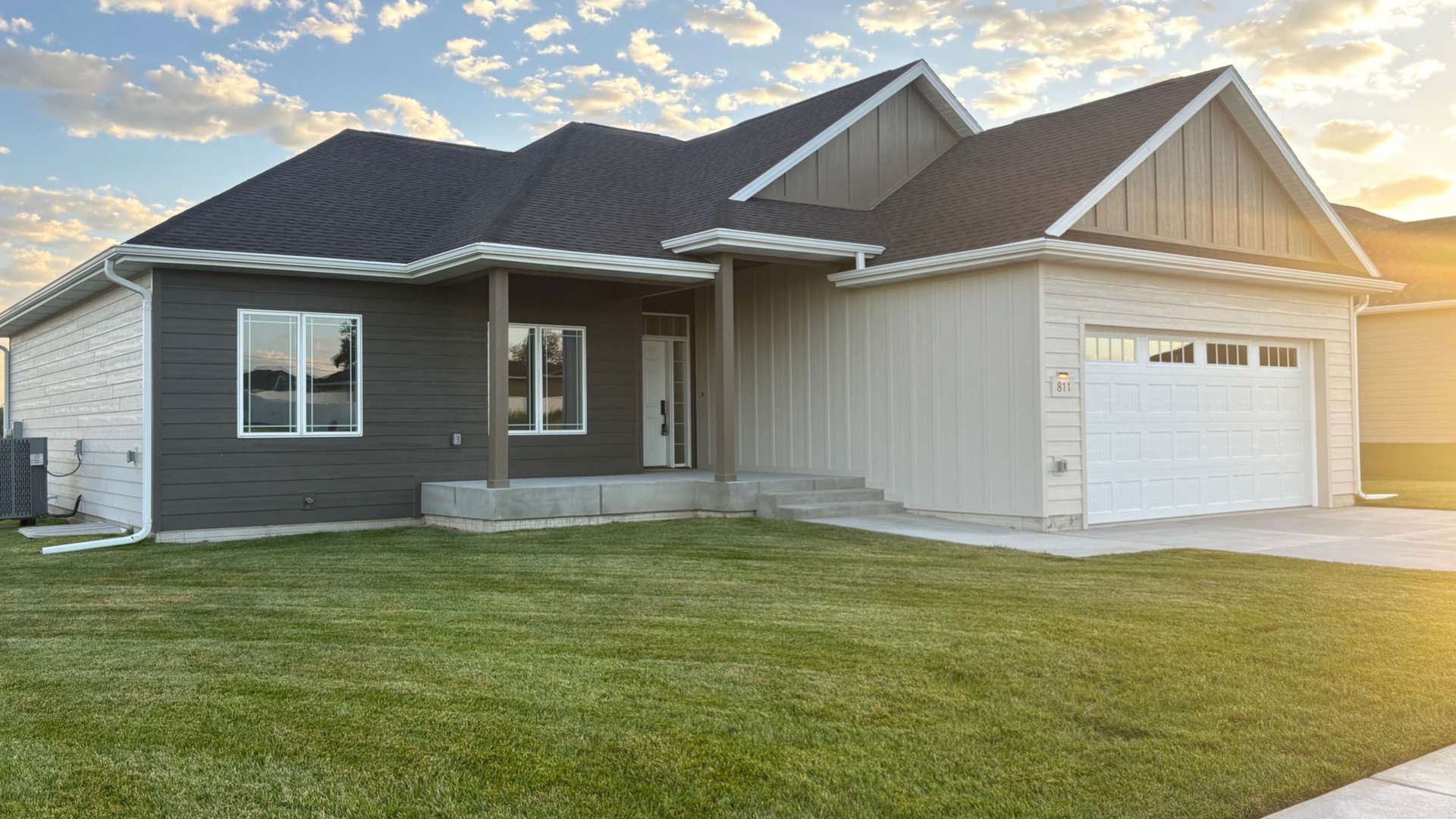
Affordable Housing Strengthens the Community
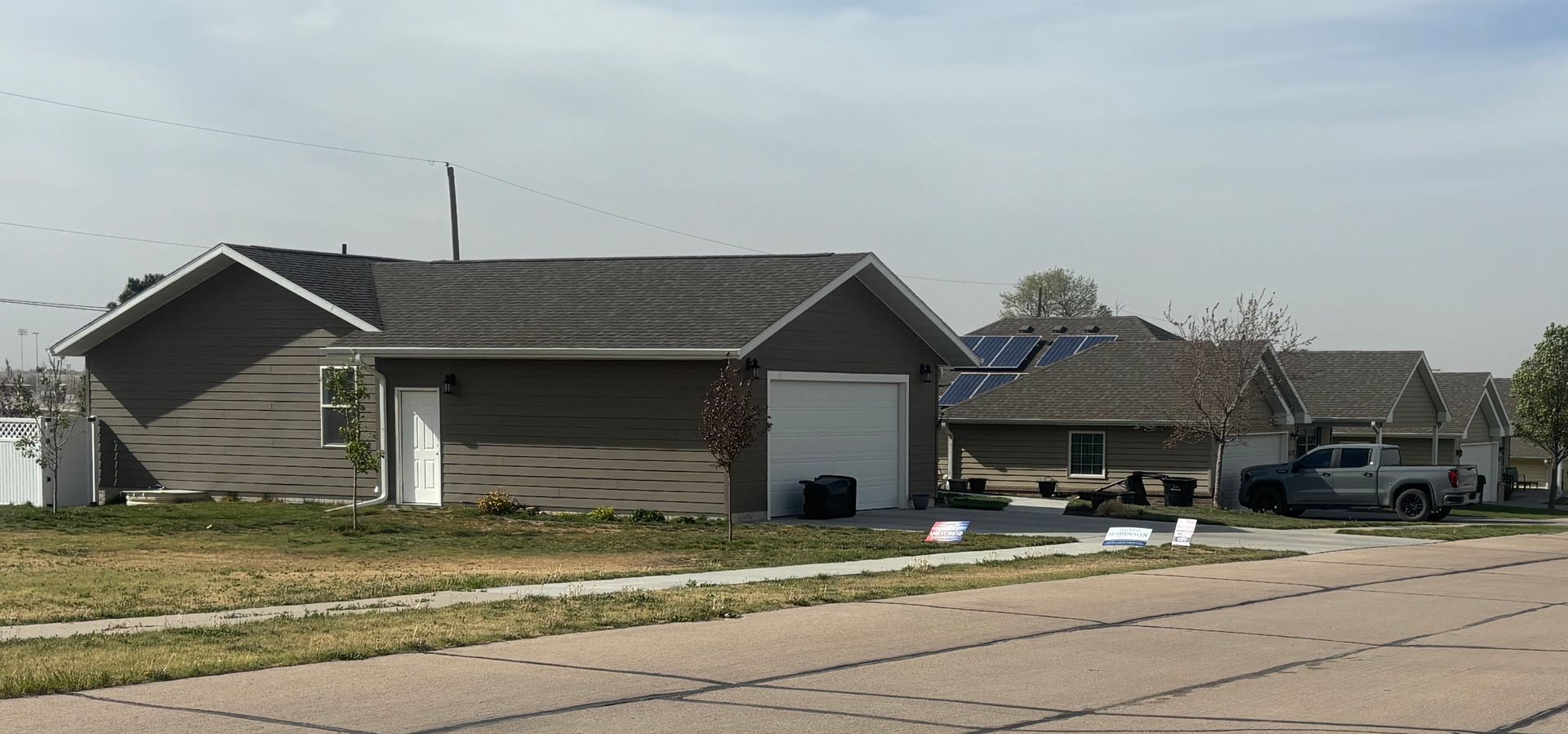
What do a correctional officer, a nurses aide, a first-year teacher, and a retiree living on Social Security all have in common?
Here in McCook, they are part of the fabric of daily life. They are the people you see at the grocery store, sitting in the stands at ballgames, or helping a neighbor when something goes wrong.
A posted correctional officer position with Red Willow County lists an expected salary range of $40,000 to $42,815 a year. Community Hospital is hiring a nurse aide at $30,000 to $39,000 per year. A newly certified teacher entering the classroom for the 2026 to 2027 school year starts at about $41,900 before benefits. And the average annual Social Security retirement benefit, according to the Social Security Administration, is around $24,852 for 2026.
At first glance, these numbers may not seem connected, but they tell a very real story about our community.
These are the people who keep things running in our community. These are the people who helped build what we have today. Yet, they often earn incomes that place them in a range that qualifies for what some call low-income housing.
That phrase has carried a stigma for far too long. For many, it brings up images that feel disconnected from what we want for our neighborhoods. It suggests something lesser. Something to avoid. But those assumptions do not reflect reality, and they do not reflect the people we are talking about.
Affordable housing is not about “someone else.” It is about the nursing aide caring for your family member, the teacher guiding your child through the school year, the server who knows your usual order, and the retiree who spent a lifetime contributing to this community. These are our neighbors. In many cases, they are us.
At its core, affordable housing simply means that a person or family is not forced to spend an overwhelming share of their income just to keep a roof over their head. When housing costs stretch too far, something else gives. It might be groceries, healthcare, childcare, or the ability to save for the future. Sometimes it means people leave altogether to find a place they can afford.
And when that happens, the impact is felt across the entire community.
Employers have a harder time filling open positions. Schools struggle to recruit and retain teachers. Local businesses adjust hours or close their doors. Young families look elsewhere to build their lives. Retirees on fixed incomes are pushed away from the place they have always called home.
McCook is working hard to grow and create new opportunities. There is a shared desire for more businesses, more services, and more options for residents. But growth does not happen in a vacuum. Every new job created brings with it the need for a place for that worker to live. If that housing is not available or not within financial reach, those opportunities become harder to realize.
One of the biggest misconceptions about affordable housing is that it affects only a small portion of the population. In truth, it strengthens the entire community. When people have stable housing, families are stronger. Children are more successful in school. Workers are more reliable and engaged. Seniors are able to age with dignity and security.
This is not about handouts. It is about practicality.
It is about making sure that the people who work here can also live here. It is about recognizing that teachers, healthcare workers, service employees, first responders, and retirees all play a role in keeping a community healthy and moving forward.
Most importantly, it is about preserving what makes towns like McCook special. Without affordable attainable housing, communities risk losing the very people who give them life.
If we want strong schools, fully staffed hospitals, growing businesses, and neighborhoods that continue to thrive, then we need to change how we think about affordable housing. It is not a liability. It is a necessary part of a healthy, functioning community.
***
Along with serving as MCFF member, Amanda Engell is the housing director for the McCook Economic Development Corp., where she works every day to bring affordable housing to McCook.